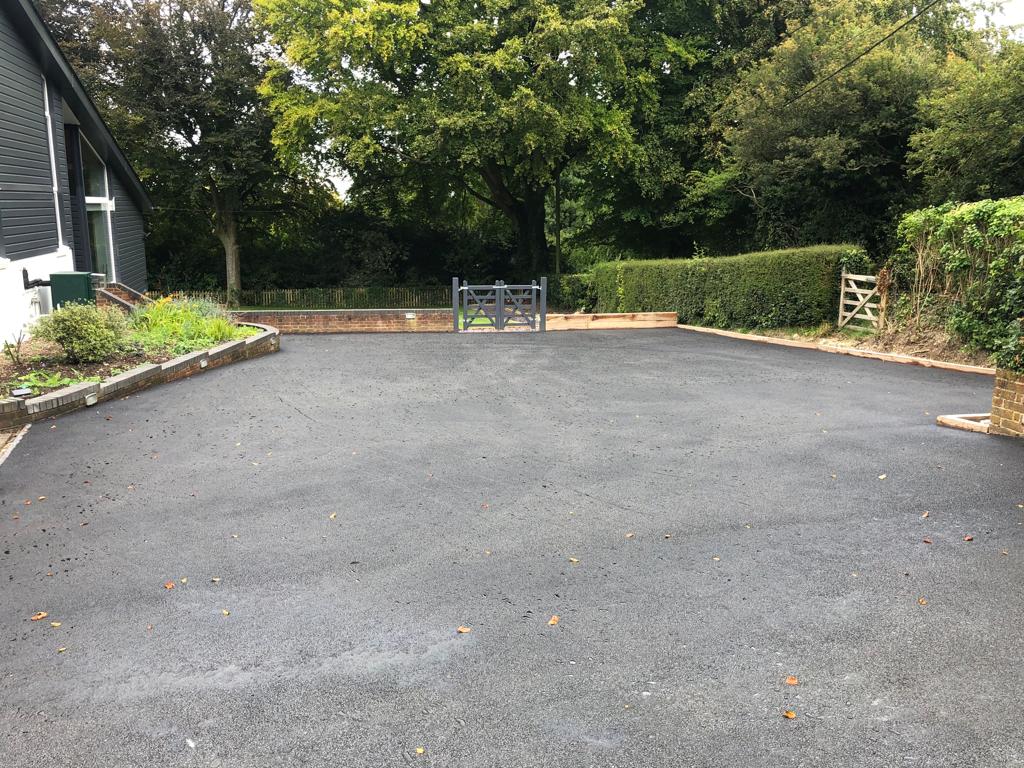
A well-constructed asphalt surface should provide consistent, dependable access for vehicles, but no pavement remains unchanged indefinitely. Over time, depressions, ruts, raised sections and other irregularities can begin to develop. While some surface wear is expected as asphalt ages, noticeable unevenness can also indicate problems involving the pavement base, drainage, traffic loading or the original preparation of the site.
For property owners and businesses in Quirindi, NSW, understanding why asphalt becomes uneven can make it easier to recognise deterioration before it develops into a more extensive pavement problem. At Quirindi Road Tek, we provide professional asphalt and bitumen surfacing services with careful attention to the complete pavement structure, not simply the condition of the visible surface.
Why Does Asphalt Become Uneven?
Asphalt relies heavily on the materials underneath it.
Although the asphalt forms the trafficable wearing surface, vehicle loads are transferred through it into the supporting pavement layers. If those layers remain stable, appropriately compacted and well drained, the asphalt has a solid foundation.
If the support underneath changes, however, the asphalt can gradually follow that movement.
An uneven surface may develop because of:
- Movement within the pavement base
- Inadequate compaction
- Water infiltration
- Poor drainage
- Repeated heavy vehicle loading
- Localised settlement
- Weak pavement edges
- Deterioration that has been left untreated
In many cases, the visible unevenness is therefore a symptom of something occurring deeper within the pavement.
Foundation Movement Can Affect the Surface Above
The pavement foundation plays a major role in maintaining consistent surface levels.
If supporting material settles or shifts, the asphalt above can sink with it. This can create depressions ranging from relatively small localised areas to broader sections of uneven pavement.
Simply adding new asphalt over a sunken area does not necessarily resolve the cause. If the foundation continues moving, the new material may eventually experience similar deformation.
Professional assessment helps determine whether the problem is confined to the wearing surface or extends into the supporting pavement.
Poor Compaction Can Lead to Settlement
Compaction is one of the most important stages of pavement construction.
The materials beneath the asphalt need to be compacted sufficiently to create a stable platform. If areas are inadequately compacted, they can continue consolidating once vehicles begin using the surface.
This gradual settlement may produce:
- Low spots
- Depressions
- Changes in surface level
- Cracking around sunken areas
- Uneven transitions between pavement sections
Correct preparation and compaction before asphalt installation help reduce the likelihood of these problems developing later.
Water Can Weaken the Pavement Beneath the Asphalt
Water is a common contributor to pavement deterioration.
Asphalt creates a sealed wearing surface, but moisture can still find pathways through cracks, damaged edges, joints or other deteriorated areas. Once water reaches the supporting materials, it can affect their stability.
Traffic repeatedly passing over weakened pavement can then contribute to movement and deformation.
This is one reason cracks and minor surface defects should not automatically be dismissed as cosmetic issues. Allowing water to continually enter the pavement can eventually affect a much larger area.
Poor Drainage Can Create Low and Damaged Sections
Effective drainage is essential to long-term asphalt performance.
The pavement should have appropriate falls so rainfall moves away rather than continually collecting in low areas. Surrounding ground conditions should also support effective water movement away from vulnerable pavement sections.
Standing water can become particularly problematic when the asphalt already contains cracks or damaged edges.
Signs that drainage may be contributing to unevenness include:
- Water repeatedly pooling in the same location
- Depressions becoming more noticeable after rainfall
- Deterioration around pavement edges
- Cracking around low sections
- Potholes developing within depressions
Correcting drainage may therefore be an important part of restoring an uneven pavement.
Repeated Vehicle Loads Can Create Rutting
Rutting is a form of pavement deformation where depressions develop along the paths regularly travelled by vehicle tyres.
Rather than the entire surface settling uniformly, specific traffic lanes begin to become lower than the surrounding pavement.
Rutting can be associated with repeated loading, insufficient pavement support or movement within the pavement materials. Turning, braking and slow-moving heavy vehicles can place particularly concentrated stresses on certain sections.
The cause should be identified before repairs are carried out because simply covering a rut may not prevent it from returning.
Entrances and Turning Areas Can Deteriorate Faster
Not every section of an asphalt pavement experiences the same level of stress.
Vehicle entrances, turning areas and frequently used manoeuvring points often receive more concentrated loading than straight sections.
Tyres can apply sideways forces while vehicles turn, while repeated braking and acceleration place additional stress on the pavement.
If the underlying structure is already marginal, these concentrated movements may contribute to deformation and unevenness appearing sooner in these locations.
Weak Pavement Edges Can Begin to Sink or Break Away
The edges of an asphalt pavement can be particularly vulnerable when they do not have sufficient support.
Vehicles travelling too close to an unsupported edge can place pressure on the pavement, eventually contributing to cracking, settlement or sections breaking away.
Once edge deterioration begins, water can also gain easier access to the supporting materials.
Maintaining stable pavement edges is therefore an important part of protecting the shape and condition of the entire surface.
Potholes Can Make an Uneven Surface Progressively Worse
Potholes create obvious changes in pavement level, but they can also be evidence of a broader deterioration process.
Once a pothole develops, vehicle impacts can break away additional asphalt around its perimeter. Water can enter the exposed pavement, while the surrounding material may become increasingly unsupported.
If the underlying cause is not addressed, the affected area can become progressively rougher and more uneven.
Early pothole repair can help limit this deterioration before it spreads into surrounding pavement.
Previous Repairs Can Create Inconsistent Levels
A pavement that has undergone numerous repairs over many years may eventually develop an inconsistent profile.
Individual patches can remain structurally useful while still creating noticeable differences between repaired and original sections. If repeated patching becomes necessary across a wider area, it may indicate that the pavement should be assessed as a whole.
The important question is not simply how many patches are visible, but why the surface continues to deteriorate.
Does an Uneven Surface Always Need Complete Replacement?
No. The appropriate repair depends on what is causing the unevenness and how much of the pavement is affected.
Localised repairs may be appropriate where deterioration is confined to a relatively small section and the surrounding pavement remains structurally sound.
This could involve removing failed material, correcting the supporting layers and reinstating the asphalt.
Where unevenness has become widespread but the underlying pavement remains suitable, resurfacing may provide a more comprehensive solution.
When Can Asphalt Resurfacing Help?
Asphalt resurfacing involves installing a renewed asphalt wearing layer over a properly prepared existing pavement.
It can be suitable where the existing surface has become worn or inconsistent but still has a serviceable underlying structure.
Before resurfacing, existing defects need to be addressed. Depressions, failed patches and other significant irregularities should not simply be hidden beneath the new layer.
Good preparation is what allows the renewed surface to achieve a consistent profile and dependable performance.
When Are Deeper Pavement Repairs Necessary?
If unevenness is being caused by structural failure underneath the asphalt, resurfacing alone may not be sufficient.
More substantial pavement preparation may be required where there is:
- Significant foundation movement
- Widespread settlement
- Severe rutting
- Unstable supporting material
- Recurring deformation
- Extensive drainage-related damage
Repairing the underlying problem before restoring the surface helps reduce the likelihood of the same unevenness returning.
Why Early Assessment Is Valuable
Uneven pavement rarely improves without intervention.
A small depression can begin holding water. Cracking can then develop around the affected section, allowing additional moisture into the pavement. Repeated traffic can further weaken the area until potholes or larger sections of failed asphalt appear.
Assessing the pavement while deterioration remains limited can help identify the cause before surrounding sections are unnecessarily affected.
Professional Asphalt Work Starts Below the Surface
Achieving a consistent asphalt finish is not simply a matter of laying new material over whatever already exists.
The pavement needs appropriate preparation, stable supporting layers, suitable compaction, effective drainage and correct surface levels.
At Quirindi Road Tek, we assess asphalt and bitumen surfaces throughout Quirindi, NSW with these factors in mind. By identifying whether unevenness originates at the surface or deeper within the pavement structure, the repair or resurfacing approach can be matched to the actual condition of the area.
This helps ensure that work is focused on resolving the factors contributing to deterioration rather than merely improving the appearance of the pavement.
Conclusion
An asphalt surface can become uneven over time for several reasons, including foundation movement, inadequate compaction, water infiltration, poor drainage, repeated vehicle loading and deterioration around vulnerable pavement edges. In many cases, depressions and ruts visible at the surface provide an indication that the supporting pavement should also be investigated.
Not every uneven asphalt surface requires complete replacement. Localised repairs may be suitable for isolated problems, while resurfacing can restore a broader worn surface when the underlying pavement remains serviceable. Where structural weaknesses are responsible, addressing the foundation first is essential to achieving a dependable result.
For property owners and businesses in Quirindi, NSW, Quirindi Road Tek provides professional asphalt and bitumen repair and resurfacing services tailored to individual pavement conditions. If your asphalt surface has developed ruts, depressions or increasingly uneven sections, our team can assess the area and recommend an appropriate solution for restoring reliable long-term performance.
Call us on: 02 5301 9087
Click here to find out more about Quirindi Road Tek
Click here to complete our contact form and see how we can help with your Asphalt and Bitumen Surfacing needs.