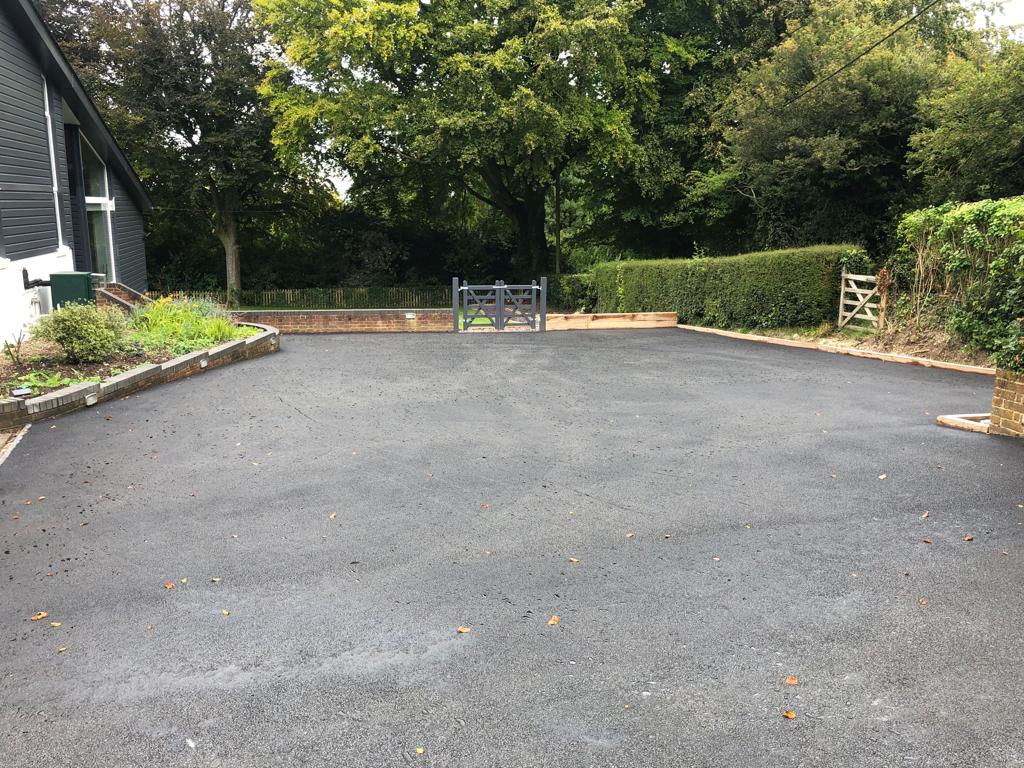
A driveway is an essential part of any property, providing reliable access for vehicles while contributing to the overall appearance and functionality of the outdoor space. However, even a well-constructed driveway will gradually deteriorate through regular traffic, environmental exposure and natural ageing.
When cracks, potholes and uneven sections begin appearing, localised repairs can often restore the surface. However, there comes a point when repeated patching no longer provides a dependable solution. If the underlying pavement has deteriorated or the driveway is experiencing widespread structural problems, replacing it may be more appropriate than continuing with temporary repairs.
For property owners in Quirindi, NSW, recognising when a driveway has reached this stage can help prevent ongoing deterioration and improve everyday vehicle access. Understanding the warning signs makes it easier to determine whether repairs remain suitable or whether professional driveway reconstruction should be considered.
How Do You Know When Your Driveway Needs Replacing Rather Than Repairing?
The decision to repair or replace a driveway depends on the extent of the damage, the condition of the supporting foundation and how effectively previous repairs have performed.
A few isolated cracks or small potholes do not necessarily mean the entire driveway needs replacing. However, when deterioration becomes widespread or the pavement structure loses stability, localised repairs may only address the visible symptoms.
The following nine signs can indicate that a new driveway may be the more suitable long-term solution.
1. Cracks Keep Returning After Previous Repairs
Occasional cracking is a normal form of deterioration in ageing asphalt driveways. Small cracks can develop due to temperature changes, binder ageing and repeated vehicle loading.
Where the surrounding pavement remains stable, suitable crack treatments may help limit further damage.
However, cracks that repeatedly return in the same locations can indicate an underlying problem.
For example, if the supporting base continues moving under vehicle loads, a repaired crack may reopen because the original source of stress has not been addressed.
Warning signs include:
- Cracks reopening shortly after repairs
- New cracks developing beside repaired sections
- Several cracks joining together
- Cracking accompanied by surface settlement
- Previously repaired areas becoming uneven
If cracking continues despite repeated maintenance, the driveway may require a more extensive assessment.
Where the supporting pavement has deteriorated across a large area, reconstruction may provide a more dependable solution than further patching.
2. Potholes Are Becoming a Regular Problem
An isolated pothole can often be repaired effectively when the surrounding asphalt and supporting base remain sound.
However, potholes that repeatedly appear across different sections of a driveway may indicate more widespread deterioration.
Potholes commonly develop when moisture enters cracks or weakened areas, contributing to the breakdown of the pavement.
As vehicles continue travelling across these sections, loose material becomes displaced and the openings gradually enlarge.
Repeated pothole formation may suggest that the wearing surface is extensively deteriorated or that the supporting base has lost stability.
If several areas require frequent repairs, it may be more practical to assess the condition of the entire driveway rather than continuing to treat individual defects.
A new driveway with suitable base preparation can address widespread structural problems and restore a consistent surface.
3. Large Sections of the Driveway Are Sinking
A driveway should maintain reasonably consistent levels under normal use.
If substantial sections begin sinking, it may indicate settlement or instability within the supporting layers.
This can occur when the base was inadequately compacted, the underlying ground has moved or moisture has weakened the pavement structure.
Small depressions may initially be difficult to notice, but they can become more pronounced as vehicles continue travelling across the affected areas.
Common signs include:
- Uneven pavement levels
- Depressions forming in wheel paths
- Water collecting in sunken sections
- Cracks developing around settled areas
- Noticeable changes in vehicle movement across the driveway
Where settlement is limited to one location, targeted reconstruction may be sufficient.
However, widespread sinking can indicate that the driveway foundation requires substantial rebuilding.
In these circumstances, installing a new driveway over a properly prepared base may be the more appropriate option.
4. The Asphalt Has Developed Extensive Crocodile Cracking
Crocodile cracking is a distinctive pattern of interconnected cracks that resemble the scales of crocodile skin.
It commonly develops when repeated vehicle loading causes structural fatigue within the pavement.
This type of damage often appears in regularly used wheel paths and can gradually spread across larger sections.
Unlike isolated surface cracks, extensive crocodile cracking may indicate that the pavement is no longer distributing vehicle loads effectively.
Possible contributing factors include:
- Weak supporting base materials
- Inadequate pavement thickness
- Repeated heavy vehicle loading
- Moisture-related weakening
- Poor compaction
- Progressive structural fatigue
When crocodile cracking becomes widespread, simply filling the cracks or placing a thin surface treatment over them may not resolve the underlying problem.
Professional reconstruction may be necessary to restore adequate structural support.
5. The Driveway Has Become Severely Uneven
A driveway that was once smooth and consistent may gradually develop raised sections, depressions, ruts and irregular transitions.
These defects can make everyday vehicle access less comfortable and predictable.
Unevenness may result from several causes, including settlement, repeated traffic loading and movement within the supporting pavement.
Where the problem is limited to a small area, localised repairs may restore the surface.
However, extensive unevenness can indicate that the pavement structure has deteriorated across multiple sections.
Repeatedly patching individual low points may not provide a consistent result if the surrounding driveway continues moving.
A new driveway allows the surface levels, supporting base and drainage to be reassessed as part of the construction process.
6. Water Continues Collecting Despite Previous Repairs
Drainage is essential for maintaining driveway performance.
A properly constructed driveway should have suitable gradients that encourage rainfall to move towards appropriate drainage points.
However, settlement, rutting and poorly formed surface levels can create depressions where water collects.
If these problems continue after previous repairs, the driveway may require more extensive reshaping.
Persistent water accumulation can contribute to deterioration by allowing moisture to enter cracks and reach the supporting base.
Over time, this may weaken the pavement and increase the likelihood of further settlement.
A new driveway provides an opportunity to establish appropriate surface levels and address drainage problems during construction.
However, replacement alone will not solve drainage issues unless the underlying cause is properly considered.
7. The Surface Is Breaking Apart Across Large Areas
As asphalt ages, the bitumen binder gradually becomes harder and less flexible.
Environmental exposure, oxidation and repeated traffic can contribute to surface deterioration.
One common result is ravelling, where aggregate particles begin separating from the asphalt.
Early ravelling may appear as loose stones or small rough patches.
However, advanced deterioration can cause large areas of the wearing surface to break apart.
Signs include:
- Widespread loose aggregate
- Deep surface roughness
- Numerous small pits
- Crumbling asphalt around cracks
- Large sections losing their original texture
- Surface material becoming increasingly fragmented
Where the supporting pavement remains structurally sound, resurfacing may still be suitable.
However, if the surface deterioration is accompanied by widespread cracking, settlement or base instability, complete reconstruction may be necessary.
The distinction should be established through professional assessment.
8. Previous Repairs Have Left the Driveway Heavily Patched
Localised asphalt repairs are a practical way to address isolated damage.
However, a driveway that has undergone numerous repairs may eventually contain several sections with different levels, ages and material conditions.
Over time, the transitions between repaired and original areas can become vulnerable to cracking or unevenness.
A heavily patched driveway does not automatically require replacement, but it can indicate that deterioration is becoming widespread.
If new defects continue appearing between previously repaired sections, the overall condition of the pavement should be assessed.
Where the supporting base remains stable, resurfacing may provide a suitable way to renew the wearing layer.
If the driveway contains extensive structural defects, reconstruction may offer a more consistent result.
9. The Driveway No Longer Suits Your Property’s Vehicle Requirements
Sometimes a driveway needs replacing not because it has completely failed, but because its original construction is no longer suitable for how the property is used.
For example, a driveway designed for occasional passenger vehicle movements may begin experiencing greater stresses if it is regularly used by heavier vehicles.
Frequent turning, braking and stationary loading can place additional demands on the pavement.
If the existing driveway lacks sufficient structural capacity, repeated repairs may not prevent further deformation or cracking.
A new driveway allows the pavement structure to be designed around current vehicle requirements.
This may involve selecting appropriate base materials, asphalt thickness and surface levels to accommodate the intended use.
For properties in Quirindi, ensuring the driveway is suitable for everyday traffic is an important part of achieving dependable long-term performance.
When Is Driveway Repair Still the Better Option?
Not every damaged driveway needs to be replaced.
In many situations, professional repairs can restore the surface effectively, particularly when deterioration is localised and the supporting foundation remains stable.
Repairs may be appropriate where:
- Cracks are limited to small areas
- Potholes are isolated
- The surrounding pavement remains structurally sound
- Surface wear has not affected the supporting base
- Drainage problems can be corrected locally
- Settlement is confined to a limited section
The important consideration is whether the repair will address the cause of the deterioration.
Professional inspection helps determine whether targeted work can provide a dependable result.
Can Asphalt Resurfacing Avoid the Need for Complete Driveway Replacement?
Asphalt resurfacing can be a suitable alternative to complete reconstruction when the existing driveway has a stable foundation.
The process generally involves preparing the existing pavement, repairing unsuitable sections and installing a new asphalt wearing course.
Resurfacing may be appropriate for driveways affected by general ageing, surface roughness or widespread wearing-layer deterioration.
However, it cannot reliably correct significant structural movement beneath the pavement.
If the supporting base is unstable, cracks and depressions may eventually appear through the new asphalt.
A professional assessment is therefore essential before deciding whether resurfacing or complete replacement is appropriate.
What Happens During Professional Driveway Replacement?
Replacing an asphalt driveway involves more than removing the old wearing surface and installing new material.
The construction process should address the condition of the supporting ground, expected vehicle loading and drainage requirements.
Depending on the site, professional driveway replacement may involve:
- Assessing the existing driveway and identifying the causes of deterioration.
- Removing unsuitable asphalt and damaged pavement materials.
- Preparing and grading the underlying ground.
- Installing suitable road base materials where required.
- Compacting the supporting layers to achieve adequate stability.
- Establishing appropriate surface falls for drainage.
- Laying and compacting the new asphalt wearing surface.
- Finishing pavement edges and connections to adjoining areas.
The exact process depends on the condition of the site and the intended use of the driveway.
Correct preparation is essential because the long-term performance of the new surface depends on the stability of the foundation beneath it.
Why Proper Base Preparation Matters for a New Driveway
One of the main reasons driveways deteriorate prematurely is inadequate support beneath the wearing surface.
The pavement base distributes vehicle loads and helps prevent excessive movement.
If the supporting materials are weak, poorly compacted or affected by moisture, cracking and settlement may develop even when the asphalt itself has been installed correctly.
Professional base preparation helps create a stable foundation suited to the expected traffic.
This may involve removing unsuitable material, correcting uneven ground and installing appropriately compacted road base.
Drainage should also be considered before the asphalt is laid.
A well-prepared foundation helps reduce the likelihood of the same problems affecting the replacement driveway.
How Can You Prevent Your New Driveway From Deteriorating Prematurely?
A new asphalt driveway still requires appropriate maintenance.
Although asphalt is designed for durability, regular traffic and environmental exposure will gradually affect the wearing surface.
Property owners can help preserve driveway condition by:
- Monitoring the surface for developing cracks
- Keeping drainage paths clear
- Addressing localised damage promptly
- Avoiding repeated loading beyond the driveway’s intended capacity
- Checking for changes in surface levels
- Inspecting pavement edges for deterioration
- Arranging professional assessment when defects begin spreading
Regular maintenance can help identify developing problems before they affect larger sections of the driveway.
Why Professional Driveway Assessment Is Important
Deciding whether to repair, resurface or replace a driveway requires an understanding of the underlying pavement condition.
Two driveways may display similar cracks while experiencing very different problems.
One may have a stable foundation and require only surface repairs, while another may be affected by widespread settlement or structural fatigue.
Using the same treatment for both may not produce reliable results.
At Quirindi Road Tek, we understand the importance of assessing the existing driveway before recommending repairs, resurfacing or replacement.
For property owners in Quirindi, NSW, professional driveway construction focuses on suitable ground preparation, effective drainage and a pavement structure appropriate for everyday vehicle use.
Conclusion
A driveway does not necessarily need replacing because of a few cracks or isolated potholes. However, repeated repairs, widespread cracking, sinking sections, persistent drainage problems and extensive surface deterioration can indicate that the existing pavement is reaching the end of its practical service life.
Recognising these warning signs early allows property owners to consider whether further localised repairs remain suitable or whether a new driveway would provide a more dependable solution.
Professional replacement can address unsuitable base materials, correct surface levels and establish a pavement structure designed for the property’s current requirements.
For property owners in Quirindi, NSW, Quirindi Road Tek provides professional asphalt and bitumen surfacing, driveway construction, repairs and resurfacing services.
If your driveway is showing signs of widespread deterioration or previous repairs are no longer providing reliable results, contact Quirindi Road Tek to arrange an assessment and discuss the most suitable solution for restoring safe, consistent and dependable vehicle access.
Call us on: 02 5301 9087
Click here to find out more about Quirindi Road Tek
Click here to complete our contact form and see how we can help with your Asphalt and Bitumen Surfacing needs.